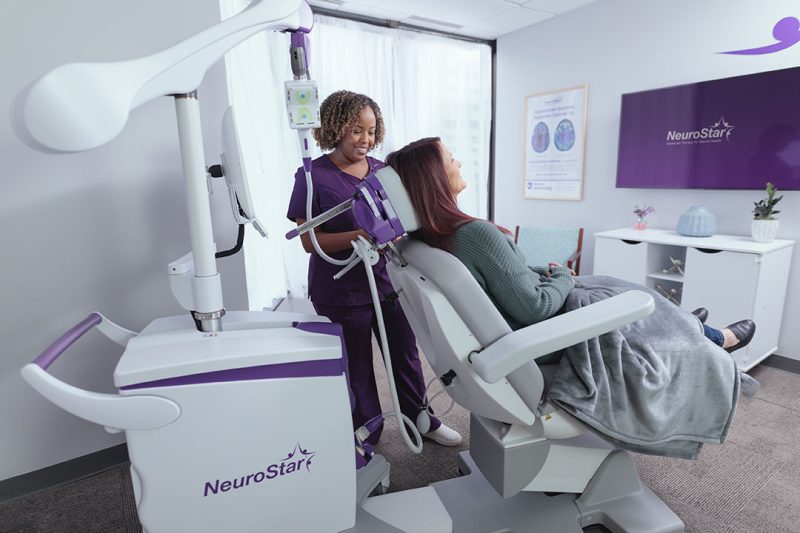
Targeted depression relief,
without the side-effects.

Covered By Nearly All Major Insurances
300M+ Lives Insured for TMS Treatment





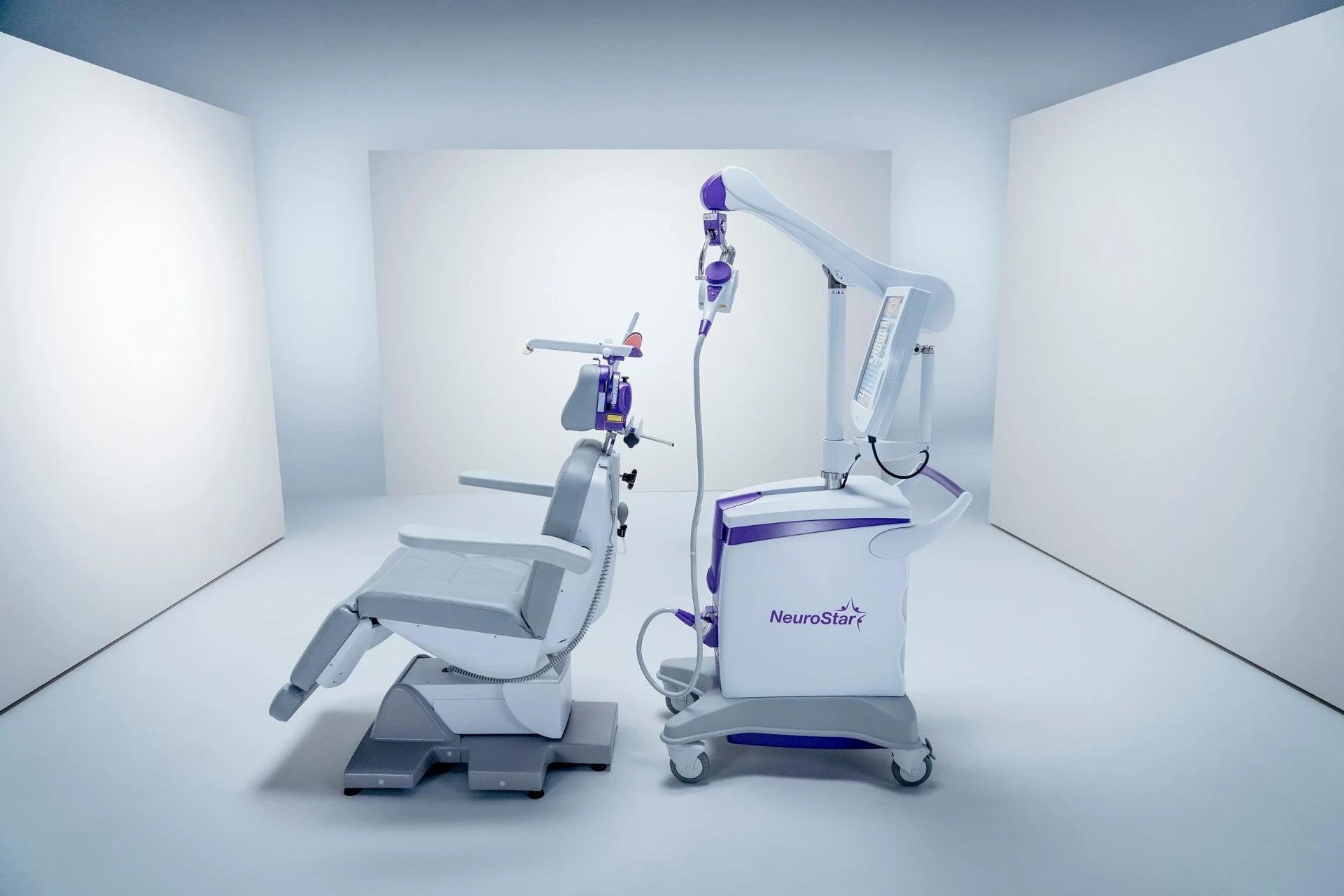
What is NeuroStar Advanced Therapy (TMS)?
During a NeuroStar treatment session, a magnet with a strength comparable to that in an MRI machine is employed to stimulate nerve cells in the brain regions associated with mood regulation. These magnetic pulses can positively influence neurotransmitter levels, potentially leading to long-term remission.
How does NeuroStar TMS treatment work?
Individuals experiencing depression are shown to have reduced electrical activity in certain areas of the brain. NeuroStar TMS works by delivering highly targeted, localized electromagnetic pulses to those areas, including the prefrontal cortex, which is the area of your brain that regulates mood. These electromagnetic pulses stimulate the affected neurons, which in turn releases neurotransmitters and hormones such as serotonin and dopamine. These neurotransmitters work to relieve symptoms of depression. Once these neurons are stimulated by NeuroStar TMS, they continue to release these neurotransmitters for a longer period of time compared to other treatments like antidepressants.
Patients who saw improvements in their depression symptoms
Patients who saw full remission of their depression symptoms
Proven effectiveness in treatment-resistant depression patients
How does TMS work?
Transcranial Magnetic Stimulation (TMS) is a non-invasive, FDA approved treatment for depression, OCD and smoking addiction. By activating understimulated areas of the brain - correlated with mood control and depression - neurological pathways can be restored providing relief from these disorders. The treatments are about 20 minutes in length, painless and will not interfere with your daily life.
"TMS has really helped with my depression. I was a little weary at first about trying this but the more I went the more improvements I saw. I was able to actually get out of bed and go to work and still be in a good mood. It helped with my appetite, sleep, and relationships. I would definitely recommend TMS to those who have tried medication and it didn't work."— T
Evidence Based Research
TMS is backed by randomized controlled trials. Some trials have shown a 50-75% response rate (1) in TMS reducing depressive symptoms and 33-50% experiencing remission (2).
This is a significantly higher response rate than seen by patients treated with traditional oral antidepressants (3).
TMS trials demonstrated an improvement in roughly 33% of participants with OCD, resulting in a significant response to treatment (4).
FDA approved for:
- ✓Major Depressive Disorder (MDD)
- ✓Obsessive Compulsive Disorder (OCD)
- ✓Smoking Addiction
What to Expect
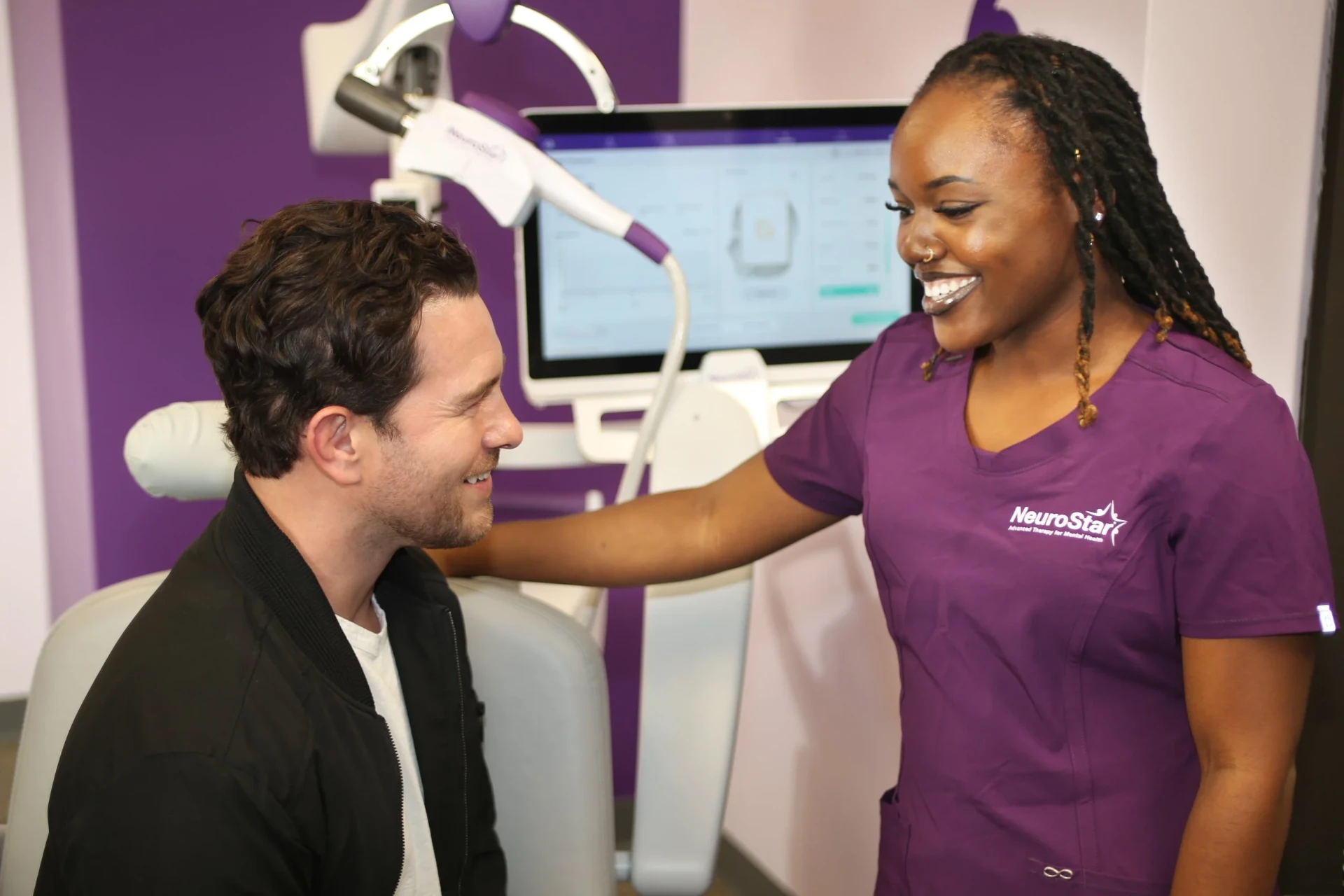
- •Schedule a free 15-minute consultation with our TMS coordinator to see if you qualify.
- •Initial intake and monitoring will be done by one of our providers (Julianne Landon, FNP and Lisa A. Fraleigh, DO).
- •Mapping and treatment performed by one of our providers.
- •35 sessions that last 20 minutes long.
- •NeuroStar TMS treatments are non-invasive, painless and have low risk of side-effects.
- •Transport yourself to and from appointments.
NeuroStar TMS Stories
"I have been sleeping better, focusing better, and thinking clearer. I can read a book which I haven't been able to do for years! I have renewed interest in hobbies and feel less overwhelmed. It's worth it! The staff has been amazing."
— E